
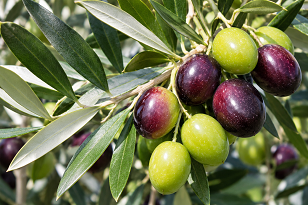
OLIVE MANZANILLO 400mm
$125.00
3 in stock
Local Pick Up Only
Olive 'Manzanillo' 400mm Pot
Olive 'Manzanillo' is a highly productive evergreen fruit tree renowned for its large, fleshy olives, excellent fruit quality and attractive silvery-green foliage. Originating from Spain, this popular variety is one of the world's best-known table olives, prized for its generous crops and suitability for both green and black olive production. With its beautiful Mediterranean appearance and reliable fruiting habit, Manzanillo is an excellent choice for Australian home orchards and ornamental gardens.
The attractive tree features narrow, lance-shaped leaves with grey-green upper surfaces and silvery undersides, creating a soft, shimmering effect in the garden. Small, creamy-white flowers appear in spring, followed by plump, rounded to oval olives that develop from bright green to deep purple-black as they ripen. Manzanillo olives are particularly valued for their firm, meaty texture, relatively small stones and excellent flavour once properly cured.
With its spreading, rounded canopy and productive nature, Olive 'Manzanillo' makes an outstanding feature tree for Mediterranean-inspired landscapes, edible gardens and larger decorative containers. Although considered partially self-fertile, fruit production is generally improved by planting a compatible pollinating variety nearby. Its attractive evergreen foliage, drought tolerance once established and excellent table olive production make it both a practical and ornamental addition to Australian gardens.
Botanical Name: Olea europaea 'Manzanillo'
Common Name: Manzanillo Olive
Pot Size: 400mm
Origin: Spain
Flower Colour: Creamy White
Flowering Season: Spring
Fruit Colour: Green, Ripening to Purple-Black
Fruit Size: Medium to Large
Fruit Shape: Rounded to Oval
Fruit Type: Primarily Table Olive, Also Suitable for Oil Production
Harvest Season: Autumn to Early Winter, Depending on Climate
Foliage Colour: Grey-Green with Silvery Undersides
Foliage Type: Evergreen
Position: Full Sun
Height: Approx. 4–6m at Maturity
Width: Approx. 3–5m at Maturity
Growth Habit: Spreading, Rounded Evergreen Tree
Growth Rate: Moderate
Water Requirements: Low to Moderate Once Established
Drought Tolerance: High Once Established
Frost Tolerance: Tolerates Light to Moderate Frost Once Established
Pollination: Partially Self-Fertile, Improved Yields with Cross-Pollination
Soil Requirements: Well-Drained Soil
Pruning: Responds Well to Shaping and Size Control
Features
Highly productive Spanish olive variety
Produces large, fleshy olives ideal for curing
One of the world's most popular table olive varieties
Excellent for producing both green and black table olives
Firm, meaty fruit with a relatively small stone
Attractive grey-green foliage with silvery undersides
Beautiful Mediterranean appearance
Spreading, rounded evergreen canopy
Small creamy-white flowers in spring
Fruit ripens from green to deep purple-black
Improved fruit production with cross-pollination
Excellent drought tolerance once established
Suitable for growing in large decorative containers
Responds well to pruning and shaping
Ideal for home olive production
Attractive ornamental feature tree
Ideal Uses
Home orchards
Mediterranean-style gardens
Edible gardens
Feature planting
Large decorative pots and containers
Courtyard gardens
Patios and outdoor entertaining areas
Kitchen gardens
Formal garden landscapes
Evergreen screening
Small acreage properties
Table olive production
Traditional Australian gardens
Plant Care
Plant Olive 'Manzanillo' in a full sun position receiving at least six to eight hours of direct sunlight daily. Choose a location with excellent drainage, as olive trees dislike waterlogged soil. Manzanillo performs well in a range of soil types, including sandy, loamy and moderately alkaline soils, provided drainage is adequate.
Water deeply and regularly during establishment to encourage a strong root system. Once established, olive trees are highly drought tolerant, although supplementary watering during flowering and fruit development can improve fruit size, quality and production. Avoid excessive watering, particularly during cooler months.
Apply a balanced, slow-release fertiliser in spring to encourage healthy growth and fruit development. Avoid excessive nitrogen fertiliser, which can promote leafy growth at the expense of fruit production. Mulch around the base to conserve soil moisture and suppress weeds, keeping mulch clear of the trunk.
Prune during late winter or early spring to maintain an open, well-structured canopy and encourage good air circulation and sunlight penetration. Remove dead, damaged or crossing branches and any unwanted shoots emerging from the base. Manzanillo responds well to regular pruning, allowing its size to be managed for smaller gardens and container growing.
For container planting, select a large pot with excellent drainage and use a premium, free-draining potting mix. Regular watering and feeding will be required during the growing season, particularly in warm weather.
For improved fruit production, consider planting a compatible pollinating variety nearby. Fruit set can vary depending on seasonal conditions, flowering overlap and local climate.
Manzanillo olives are generally harvested green for traditional table olive production or allowed to ripen to a darker colour before processing. Fresh olives require curing before eating, as they contain naturally bitter compounds.
Olive 'Manzanillo' is an exceptional evergreen fruiting tree, combining beautiful silvery-green foliage, generous crops of large, fleshy olives and classic Mediterranean character. Whether grown as an ornamental feature, in a large decorative container or as part of a productive home orchard, this versatile Spanish olive variety is a wonderful addition to Australian gardens.


